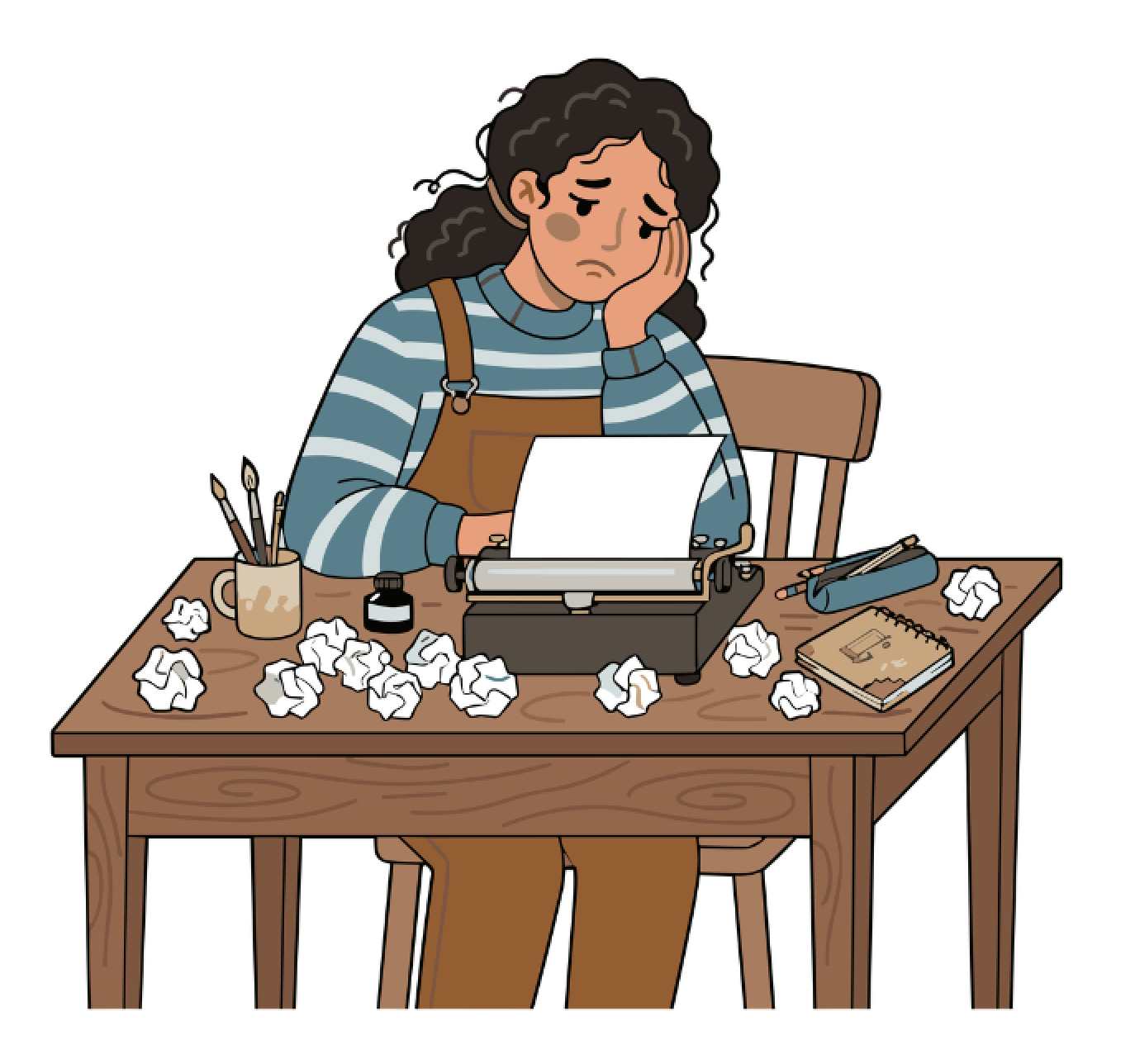
Every turn reveals another possibility: a new character, a different conflict, an unexpected setting, a better ending. The choices are exciting—until there are so many that the writer keeps exploring instead of moving toward a finished draft.
That is where many writers stall. They do not need more ideas. They need a practical way to choose a direction, develop the essential parts of the story, and keep moving forward.
The
Beginner’s Guide series
is built for that work. Each short, focused guide addresses a particular challenge—from shaping an idea into a workable plan to developing characters, plot, and scenes. Start with the problem in front of you, apply the tools, and take the next step toward a story readers can follow and care about
The series helps writers stop wandering through possibilities and start making decisions that carry a story to completion.
The Beginner’s Guide series is not a collection of unrelated writing tips. It is a connected set of practical guides that follows the path from a story idea to a finished book—and beyond.
Begin by turning an idea into a workable story plan. Develop the characters, conflict, and scenes that give the draft direction. Then learn how to bring those elements together in a story, repair what is not working, publish the manuscript, and find its readers.
Each guide concentrates on one part of the journey, but each is designed to support the next. You can begin wherever your current problem lies, then continue along the path when you are ready. The result is not just more knowledge about writing. It is a clearer route toward completing the work
The main theme of the series is: Design the story, Write It, Fix It, Publish It, Find your readers, Run the business.
Stage 0: Sample each book
Starter Kit: A free download
Master Index:
another free download
Stage 1: Design the story
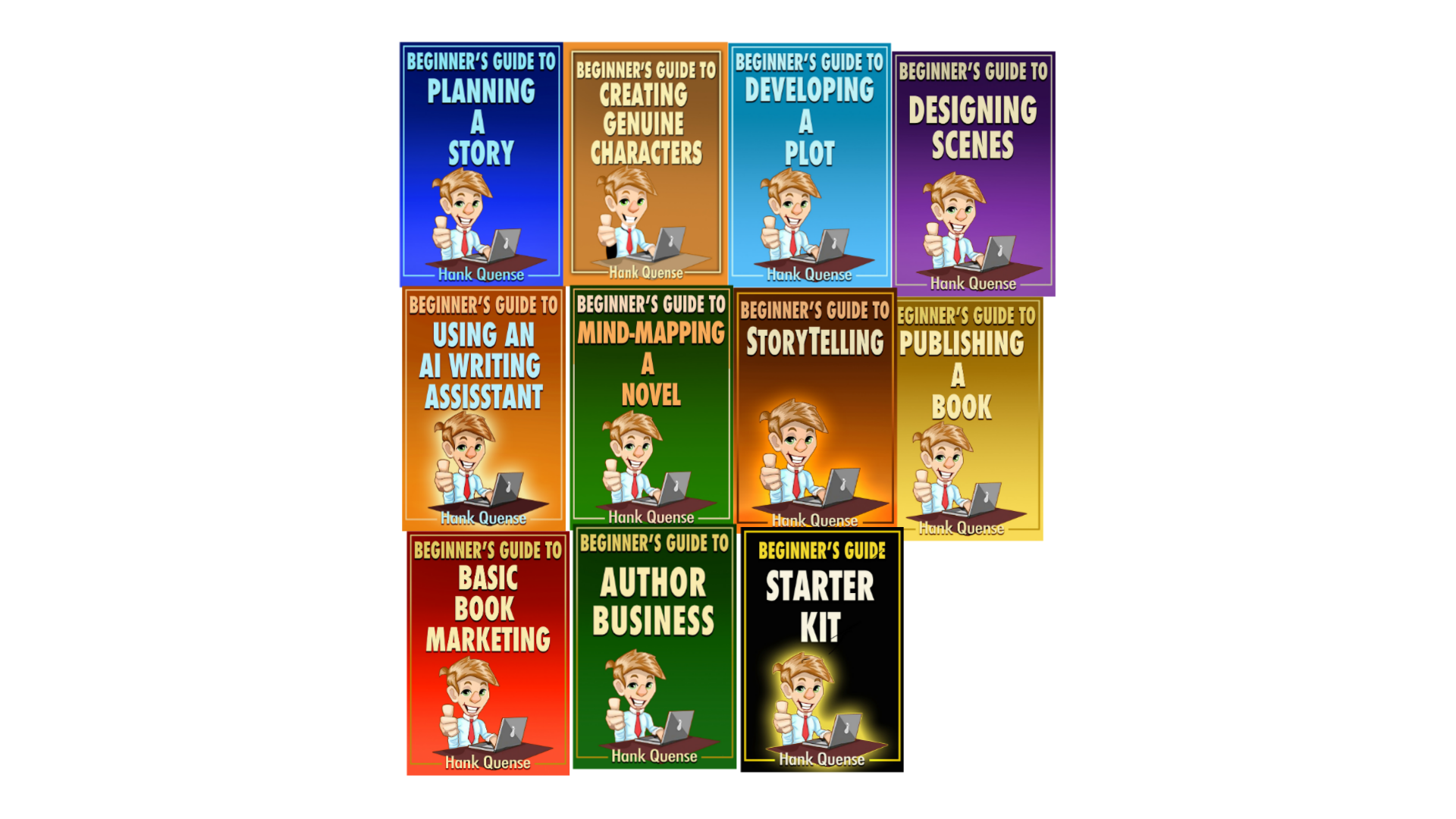
Story Planning: Get an overview of the planning process and turn an idea into a workable story plan.
Character Creation: Develop the characters who will drive the story.
Plot Development: Build the central conflict and the events that carry it toward a resolution.
Scene Design: Plan the individual scenes that turn characters and plot into a story.
Stage 2: Write the story
Storytelling: Bring the planned elements together into a story readers can follow and care about.
Writing Craft: Develop theme, world-building, and dialogue—the scope you previously set for this title. (under development)
Stage 3: Fix the story
Fixing Your Story:
Diagnose what isn’t working and tackle the relevant repairs. (under development)
Stage 4: Publish
Publishing a Book:
Understand the publishing process and
the decisions involved in bringing the manuscript to readers.
Stage 5: Find your readers
Book Marketing: Build the foundation for reaching readers and supporting the book over time
Book Launch Marketing: Plan and coordinate the activities around a book’s release. (under development)
Stage 6: Run the business
Author Business: Treat the writing and publishing operation as a business, not just a succession of individual books. (under development)
Tools you can use along the way
AI as a Writing Assistant: Stop clicking and start delegating by putting AI to work as your research, brainstorming, and planning assistant.
Mind-Mapping a Novel: Map your entire novel on one visual page, so you can see the whole story and how the pieces connect.
Productivity for Messy Thinkers: Get your writing done with a flexible six-tool workflow built for people whose minds don't work in straight lines.
Specialty shelf
Writing Humor and Satire: Learn the techniques behind funny fiction and sharp satire, so your humor lands on purpose and not by accident. (under development)
Learn more on my
Beginner’s Guide webpage.